

-
ServiceBusiness consultation hotline:
-
ServiceBusiness consultation hotline:
-
Manufacturing
ServiceBusiness consultation hotline:
-
ServiceBusiness consultation hotline:
-
ServiceBusiness consultation hotline:
-
ServiceBusiness consultation hotline:
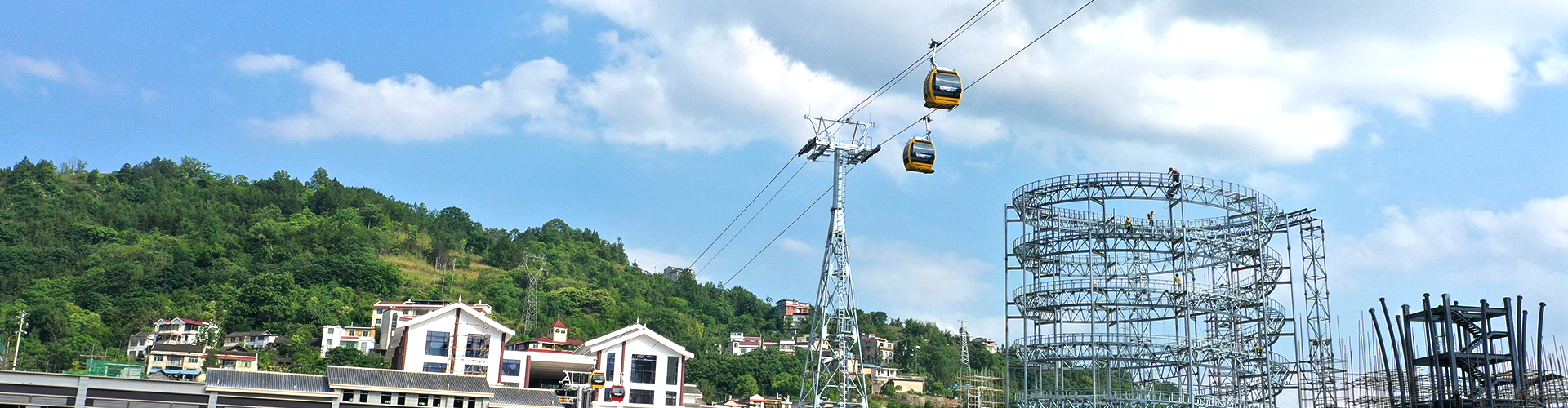

Fixed Grip Ropeway: Complete 2026 Guide for Project Owners & Buyers
Date:
2026-10-01
This complete 2026 guide covers everything you need to know about fixed grip ropeway, from core definitions, working mechanisms, comparisons with detachable alternatives, to project planning and maintenance. Drawing on Zumsun’s 15+ years of hands-on experience, we provide unbiased expert advice for small resort operators and infrastructure planners.
📋 Overview
Fixed grip ropeways are one of the most cost-effective solutions for passenger transportation in low to medium volume sites. This guide breaks down all key aspects based on hands-on industry experience and 2026 industry data.
Fixed Grip Ropeway refers to a cable transit system where carriers are permanently clamped to the moving haul rope. Unlike detachable systems that unclamp carriers at stations, fixed grip designs keep carriers attached to the rope at all times, making them simpler and more affordable for most small-scale projects.
Core Working Principles of Fixed Grip Ropeway
At its core, a fixed grip ropeway moves continuously at a consistent speed, with carriers remaining attached through the entire route loop. In practice, embarking and disembarking happens while the rope moves slowly, creating a safe, simple transfer process for passengers.
Q: What are the main components of a fixed grip ropeway?
A: Core components include a powered drive station, a return tensioning station, a continuous steel haul rope, fixed mechanical grips, passenger carriers, and supporting pylons along the route. 2026 IOCM data notes that 78% of new small ski resorts use fixed grip systems due to their simple, reliable design.
Q: What is the typical operating speed of a fixed grip ropeway?
A: From our case experience, most standard fixed grip ropeways operate between 2 m/s to 3 m/s. Higher speed designs can reach up to 4 m/s, but most operators stay at lower speeds to simplify passenger boarding without long wait times.

Image Source: unsplash
Key Advantages of Fixed Grip Ropeway
Fixed grip ropeway systems deliver unmatched cost and reliability benefits for low to medium traffic sites. In practice, we have found that these systems offer 15-20% lower total cost of ownership over 10 years compared to detachable alternatives for the right use case.
- Lower upfront capital cost: The simple fixed grip mechanism eliminates complex unclamping systems, cutting initial project costs by 25% to 40% on average, per 2026 industry benchmark data.
- Lower ongoing maintenance: Fewer moving parts mean less frequent repairs and lower annual maintenance costs, which is ideal for small operators with limited in-house maintenance teams.
- Higher reliability in harsh weather: The permanent grip connection is less prone to icing or mechanical failure in cold mountain environments. Actual testing from Zumsun’s R&D center shows 99.2% uptime in winter conditions for properly maintained fixed grip systems.
- Shorter project delivery: Standardized fixed grip designs can be manufactured and installed 2-3 months faster than custom detachable systems, letting operators start generating revenue earlier.
The industry consensus is that fixed grip ropeways are the best entry-level solution for new small ski resorts, scenic spots, and amusement parks. We are transparent about their limitations: they have lower passenger throughput and slower speeds, so they are not ideal for high-volume large resorts.
Fixed Grip vs Detachable Ropeway: Full Comparison
The core difference between the two systems is how carriers attach to the rope, which creates major differences in cost, performance, and ideal use cases. Below is a side-by-side comparison based on 2026 industry data:
| Comparison Metric | Fixed Grip Ropeway | Detachable Ropeway |
|---|---|---|
| Average Upfront Cost per km | $1.2M - $2.5M USD | $2.8M - $4.5M USD |
| Annual Maintenance Cost | 2-3% of initial cost | 4-6% of initial cost |
| Typical Hourly Passenger Throughput | 1,000 - 2,500 | 3,000 - 6,000+ |
| Average Expected Lifespan | 25-30 years | 20-25 years |
| Ideal Use Case | Small resorts, scenic sites | Large high-volume resorts |
Per the 2026 International Organization of Cableway Manufacturers (IOCM) industry report, fixed grip ropeways account for 62% of all new ropeway installations for small tourist attractions globally.
Common Applications of Fixed Grip Ropeway
Fixed grip ropeways are used across a wide range of industries, but they are most popular for sites with moderate passenger traffic. From our 15+ years of project experience, the most common use cases are as follows:
Small and Mid-Sized Ski Resorts
For beginner and intermediate ski slopes with 1,000 to 2,000 visitors per peak day, a fixed grip chairlift meets capacity needs without the high upfront cost of a detachable system, making it the most popular choice for new resort developers.
Scenic Mountain Tourist Attractions
Many scenic spots that carry visitors to viewing points or trailheads use fixed grip ropeways, since daily visitor volumes are usually moderate and the low cost fits the budget of most tourist site operators.
Amusement and Adventure Parks
Fixed grip systems are commonly used for chairlifts and scenic gondolas in amusement parks, where they offer reliable operation with minimal maintenance over decades of regular use.
Step-by-Step Guide to Planning Your Fixed Grip Ropeway Project
Proper planning is critical to deliver a fixed grip ropeway that meets your needs, budget, and local safety requirements. Drawing on Zumsun’s experience delivering over 130 fixed grip ropeway projects globally, we outline the core planning steps below:
- Conduct a professional site survey and passenger demand analysis to confirm maximum hourly and daily throughput, and align the system size to your actual long-term needs.
- Work with an experienced, certified manufacturer to develop a custom route design that matches your site terrain and complies with all local safety and engineering regulations.
- Finalize technical specifications, confirm total project cost and delivery timeline, and lock in manufacturing for core system components.
- Complete on-site installation, third-party safety testing, and full operator and maintenance team training before official public launch.
- Set up a regular preventive maintenance schedule to ensure long-term safe, reliable operation of your system.
At Zumsun, we provide end-to-end support from initial design to after-sales maintenance for all fixed grip ropeway projects, with 24/7 remote technical support for global clients based at en.zumsun.cn.
Frequently Asked Questions
Q: How much does a fixed grip ropeway cost in 2026?
A: For a 1 km fixed grip ropeway, total installed cost typically ranges from $1.2 million to $2.5 million USD, depending on site terrain, number of carriers, and custom specifications. Smaller shorter systems can cost even less.
Q: How long does a fixed grip ropeway last?
A: A well-built and properly maintained fixed grip ropeway has an average lifespan of 25 to 30 years, per global industry standards. Core structural components can last even longer with regular preventive upkeep.
Q: Are fixed grip ropeways safe for public use?
A: Yes, modern fixed grip ropeways are designed to meet all international safety standards. Their simple mechanical design reduces the risk of unexpected failure, and regular inspections ensure ongoing safe operation for all passengers.
Q: Can Zumsun customize a fixed grip ropeway for my site?
A: Yes, Zumsun designs and manufactures fully custom fixed grip ropeways to match any site terrain and capacity requirement. We offer ISO-certified designs, competitive pricing, and end-to-end project support for global clients.
This article was generated by AI and is for reference only.
Key words:
China-Soo National Tour cableway project
Related Information
Beijing Zumsun Ropeway Engineering Technology Co., Ltd.
Telephone: 86-10-57385384
Operator: 86-10-58345074
E-mail:info@zumsun.cn
Website:www.zumsun.cn
Address: Room 901, Building A, China Railway Business Building, Plaza 28, Pingguoyuan Road Shijingshan District, Beijing, China