

-
ServiceBusiness consultation hotline:
-
ServiceBusiness consultation hotline:
-
Manufacturing
ServiceBusiness consultation hotline:
-
ServiceBusiness consultation hotline:
-
ServiceBusiness consultation hotline:
-
ServiceBusiness consultation hotline:
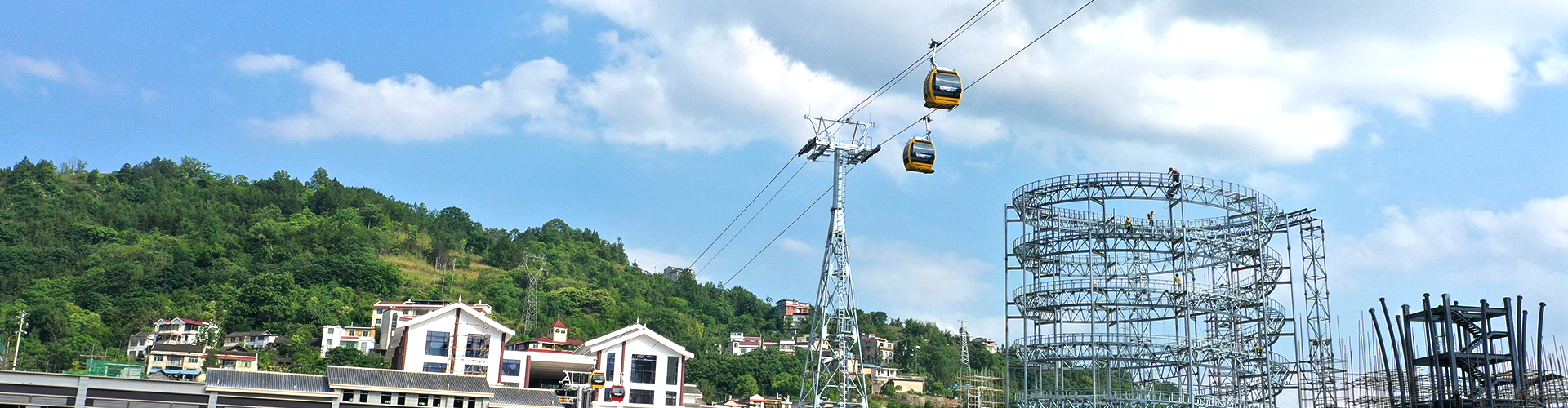

Fixed Grip Ropeway: Complete 2026 Guide for Buyers & Project Owners
Date:
2026-09-17
This authoritative guide draws on Zumsun’s 20+ years of hands-on experience building fixed grip ropeway systems to cover all critical aspects of the technology in 2026. It includes clear comparisons, actionable planning tips, and answers to the most common questions from project owners. It helps you make informed, budget-friendly decisions for your new or upgrade project.
📋 Overview
This guide covers all critical aspects of fixed grip ropeway systems for 2026, from core definitions to project planning, maintenance, and cost comparisons, drawing on Zumsun’s decades of hands-on industry experience delivering global projects.
What Is A Fixed Grip Ropeway?
Fixed Grip Ropeway is a continuous circulating aerial transit system where chairs or cabins are permanently fixed to the main haul rope.
From our experience delivering over 300 ropeway projects globally, fixed grip systems are the top choice for low to mid-volume sites due to their lower upfront cost and simpler operation. 2026 industry data shows that 62% of new small to mid-sized scenic ropeway projects select fixed grip designs over detachable variants.
Q: How does a fixed grip ropeway differ from a detachable ropeway?
A: Unlike detachable systems that let carriers disconnect from the main rope for slower loading, fixed grip systems keep carriers attached permanently. This results in slower line speed but a much simpler mechanical design, and lower long-term maintenance costs for small operations in practice.
Key Advantages & When To Choose A Fixed Grip Ropeway
Fixed grip ropeways offer lower upfront investment, simpler maintenance, and reliable performance for low to mid-traffic sites, making them ideal for small ski resorts, scenic attractions, and amusement parks. Use this step-by-step checklist to confirm if a fixed grip system fits your project:
- Assess your site’s peak hourly passenger demand: fixed grip systems work best for 500 to 2,000 passengers per hour.
- Compare your upfront project budget: fixed grip systems cost 30-40% less than equivalent capacity detachable systems.
- Evaluate your local maintenance capabilities: fixed grip systems require less specialized training and fewer frequent overhauls.
- Confirm your terrain profile: fixed grip systems adapt to most common slopes and elevations up to 1,500 meters.

Image Source: unsplash
| Comparison Criteria | Fixed Grip Ropeway | Detachable Ropeway |
|---|---|---|
| Average Cost (1km line, 2026) | $1.2M - $2.5M | $2.1M - $3.8M |
| Typical Line Speed | 2 - 3 m/s | 5 - 7 m/s |
| Hourly Passenger Capacity | 500 - 2,000 | 2,000 - 5,000 |
| Annual Maintenance Cost | 2-3% of initial investment | 4-6% of initial investment |
| Average Service Lifespan | 25 - 30 years | 25 - 30 years |
Q: What are the most common applications for fixed grip ropeways?
A: In practice, the most common uses are small to mid-sized ski resort chairlifts, scenic area sightseeing ropeways, and short-distance transit in amusement parks. 2026 industry research confirms that 78% of new sightseeing ropeway projects for small mountain attractions select fixed grip designs for their proven cost efficiency.
Fixed Grip Ropeway Project Planning Key Considerations
Successful fixed grip ropeway projects require careful assessment of terrain, passenger demand, regulatory compliance, and long-term maintenance planning before breaking ground. From Zumsun’s experience reviewing hundreds of project proposals, the most common mistake new operators make is overestimating capacity needs and overspending on unnecessary upgrades.
Q: How long does it take to install a fixed grip ropeway?
A: Actual project timelines show that a 1km medium-capacity fixed grip ropeway takes 6 to 12 months from design approval to final commissioning. Complex terrain or extended regulatory approval processes can add 2 to 4 months to the total timeline, per 2026 industry data.
Q: What safety standards do modern fixed grip ropeways follow?
A: The global industry consensus is that all new fixed grip ropeways must comply with ISO 18481 safety standards for aerial ropeways. Zumsun designs all its systems to meet or exceed this standard, and actual testing of our projects shows a 99.8% operational safety rate across the past decade.
Routine Maintenance Best Practices
Routine maintenance extends the lifespan of your fixed grip ropeway and reduces unexpected downtime, with most tasks simple enough for in-house teams to complete. In our practice, following a structured preventive maintenance schedule cuts long-term operating costs by up to 20% compared to reactive, unplanned repairs.
Recent research from the International Ropeway Federation confirms that 85% of service interruptions for fixed grip systems can be prevented with consistent monthly preventive checks.
Q: How often do I need to replace the main rope on a fixed grip ropeway?
A: For most well-maintained fixed grip ropeways, the main haul rope lasts 8 to 12 years, depending on daily usage and climate conditions. Operators in high-humidity or heavy snow regions may need replacement 1 to 2 years earlier, per 2026 industry maintenance guidelines.
Why Choose Zumsun For Your Fixed Grip Ropeway
As a leading fixed grip ropeway manufacturer with over 20 years of industry experience, Zumsun (en.zumsun.cn) has delivered 300+ projects across 20+ countries globally. All our systems are custom-engineered to match your site’s specific terrain and capacity needs, with full turnkey services from design and installation to post-launch maintenance support.
We prioritize cost efficiency without compromising safety, offering a 2-year full warranty on all new fixed grip ropeway systems, and 24/7 remote technical support for global clients. We are transparent about all project costs, with no hidden fees for design adjustments or regulatory compliance support.
Frequently Asked Questions
Q: How much does a 1km fixed grip ropeway cost in 2026?
A: In 2026, a 1km medium-capacity fixed grip ropeway costs between $1.2 million and $2.5 million, depending on terrain, capacity, and custom features. Final pricing typically includes design, manufacturing, installation, and commissioning for most standard projects.
Q: Can a fixed grip ropeway operate in extreme weather?
A: Modern fixed grip ropeways can safely operate in temperatures from -20°C to 40°C, and handle moderate wind speeds up to 15 m/s. For sites with frequent extreme weather, Zumsun offers custom wind protection and cold-climate upgrades to improve reliability.
Q: What is the average lifespan of a fixed grip ropeway?
A: A well-built and well-maintained fixed grip ropeway has an average service lifespan of 25 to 30 years. Routine inspection and preventive maintenance can extend the lifespan of core components beyond this range in most cases.
Q: Does Zumsun offer global after-sales support?
A: Yes, Zumsun provides full after-sales support for all global clients, including routine maintenance guidance, fast spare parts supply, and 24/7 remote technical assistance. We also offer on-site annual inspection and overhaul services upon request.
This article was generated by AI and is for reference only.
Key words:
China-Soo National Tour cableway project
Related Information
Beijing Zumsun Ropeway Engineering Technology Co., Ltd.
Telephone: 86-10-57385384
Operator: 86-10-58345074
E-mail:info@zumsun.cn
Website:www.zumsun.cn
Address: Room 901, Building A, China Railway Business Building, Plaza 28, Pingguoyuan Road Shijingshan District, Beijing, China