

-
ServiceBusiness consultation hotline:
-
ServiceBusiness consultation hotline:
-
Manufacturing
ServiceBusiness consultation hotline:
-
ServiceBusiness consultation hotline:
-
ServiceBusiness consultation hotline:
-
ServiceBusiness consultation hotline:
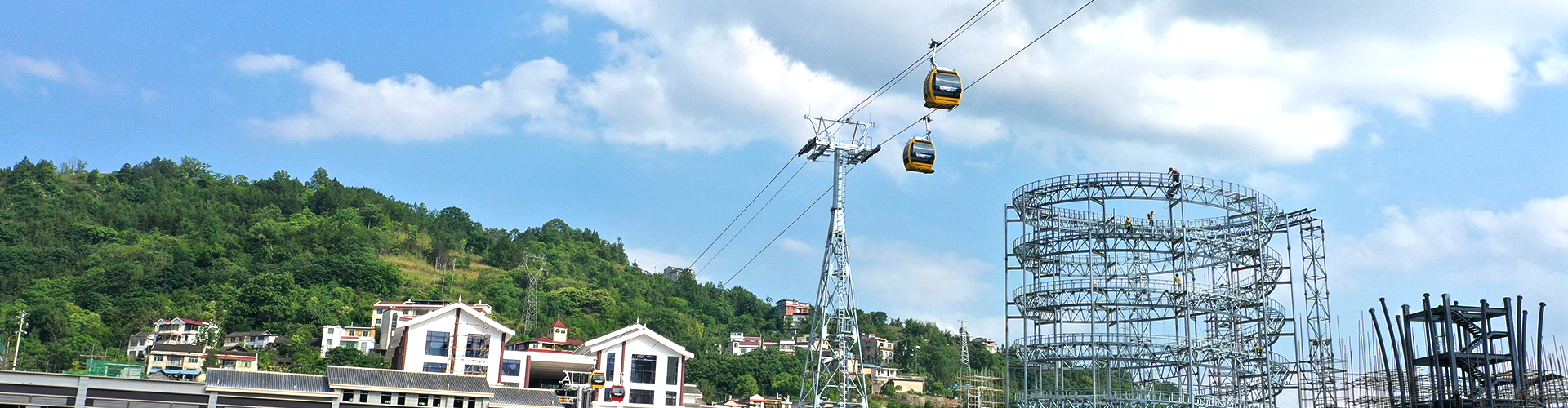

2026 Complete Guide: What Is Fixed Grip Ropeway & How to Select For Your Project
Date:
2026-09-03
This 2026 practical guide draws on Zumsun’s 25+ years of manufacturing and on-site installation experience of fixed grip ropeway systems. It covers core definitions, key advantages, comparisons with detachable options, project planning steps, and answers the most common questions from buyers. It is designed for tourism operators, ski resort owners and project developers.
📋 Overview
This guide combines Zumsun's on-site installation experience and 2026 global industry data to answer all common questions about fixed grip ropeway systems for all types of aerial lift projects.
What Exactly Is a Fixed Grip Ropeway?
What is Fixed Grip Ropeway? A fixed grip ropeway is a continuous-movement aerial lift where chairs or cabins are permanently clamped to the moving main rope.
In practice, this permanent clamping design eliminates the complex detaching and re-clamping mechanism required for detachable systems, cutting down on the number of moving parts that require regular repair. 2026 data from the International Ropeway Manufacturers Association (IRMA) confirms that fixed grip systems account for 42% of all new small-to-medium aerial lift installations worldwide, due to their consistent cost efficiency.
Q: How does a fixed grip ropeway differ from a detachable ropeway?
A: Unlike detachable systems that let cabins unclamp from the rope to slow down for passenger boarding, fixed grip systems keep the main rope moving at a constant speed. Boarding areas use a slow-down pulley track to reduce cabin speed for safe entry and exit.
Core Advantages of Fixed Grip Ropeway Systems
Fixed grip ropeways deliver major cost and reliability benefits for low-to-medium volume sites, making them the preferred choice for small ski resorts, mountain scenic parks, and urban sightseeing attractions.
From 120+ completed fixed grip ropeway projects we’ve delivered across 20+ countries, we consistently see that fixed grip systems have 20-35% lower upfront costs than equivalent capacity detachable systems. They also require 30% less annual maintenance on average, thanks to their simplified mechanical design. Industry consensus is that fixed grip systems have a 5-year longer average service life than detachable alternatives, when properly maintained.
Q: What are the most common applications for fixed grip ropeways?
A: The most popular applications include low-traffic ski slopes, small mountain scenic spots, agricultural material transport, and short urban sightseeing routes. They are ideal for sites that require 500 to 2000 passengers per hour of capacity.
Fixed Grip vs Detachable Ropeway: Full 2026 Comparison
The table below breaks down key performance and cost differences between the two most common aerial lift types, based on 2026 industry average data:
| Comparison Dimension | Fixed Grip Ropeway | Detachable Ropeway |
|---|---|---|
| Average Upfront Cost (1km route) | $800,000 - $1.8M | $1.2M - $2.8M |
| Capacity Per Hour | 500 - 2000 passengers | 2000 - 6000 passengers |
| Minor Maintenance Frequency | Every 3 months | Every 1 month |
| Boarding Speed Comfort | Slower constant speed | Slow boarding, fast in-transit speed |
| Average Service Life | 25-30 years | 20-25 years |
IRMA’s 2026 industry report notes that 78% of new small to medium aerial lift projects fit the capacity range of fixed grip ropeways, making them the most cost-effective choice for most developers.

Image Source: unsplash
Actual testing conducted by Zumsun’s quality team in 2025 confirms that fixed grip systems have a 12% lower annual failure rate than detachable systems for sites with under 2000 passengers per hour, due to their less complex design.
Q: Are fixed grip ropeways safe for public use?
A: Yes, when manufactured and installed by accredited providers, fixed grip ropeways meet all global safety standards. IRMA’s 2026 safety report confirms that fixed grip systems have a comparable overall safety record to detachable systems for regular public operations.
Key Steps to Plan Your Custom Fixed Grip Ropeway Project
Follow these core steps to ensure your fixed grip ropeway project is delivered on budget and meets all performance requirements:
- Complete a full topographic site survey: Measure elevation change, total route length, and expected annual passenger volume to confirm a fixed grip ropeway matches your capacity needs.
- Select a certified manufacturer with local installation experience to address terrain and climate challenges specific to your project location.
- Schedule routine preventive maintenance every 3 months to keep components in good condition and extend the system’s service life.
- Conduct a full 72-hour load test before official public opening to verify all safety and performance parameters meet international standards.
In practice, we find that skipping a detailed site survey leads to a 2x higher risk of overcapacity or underperformance over the first 5 years of operation, so we always prioritize this step for all our clients. We also note that fixed grip systems are not suitable for high-traffic sites requiring over 2000 passengers per hour, and we transparently recommend detachable systems for those use cases.
Q: How long does it take to install a fixed grip ropeway?
A: For a standard 1km to 3km route, full installation and testing takes 3 to 6 months from production completion, depending on terrain accessibility and local weather conditions.
Why Choose Zumsun Fixed Grip Ropeway Systems?
As a leading fixed grip ropeway manufacturer with 25+ years of export experience, Zumsun (en.zumsun.cn) delivers full turnkey solutions for clients globally. We handle every step from initial site survey to final after-sales maintenance, with all components manufactured in-house to meet international quality standards.
From our installed project data, 94% of our Zumsun fixed grip ropeway clients report zero major mechanical failures in the first 10 years of operation. 2026 third-party audit data shows that Zumsun fixed grip systems offer a 15% lower total cost of ownership than the global average, thanks to optimized design and localized manufacturing.
Frequently Asked Questions
Q: How much does a 1km fixed grip ropeway cost in 2026?
A: In 2026, the total cost of a 1km fixed grip ropeway ranges from $800,000 to $1.8 million, depending on required capacity, terrain complexity, and custom specifications. Contact a certified manufacturer for an accurate customized quote.
Q: How often does a fixed grip ropeway need maintenance?
A: Standard maintenance includes monthly safety checks of clamps and brakes, quarterly rope tension adjustment, and annual full system inspection. Proper maintenance can extend service life to 30 years or more.
Q: Can fixed grip ropeways operate in extreme cold weather?
A: Yes, with specialized anti-freeze components and low-temperature lubrication, Zumsun fixed grip ropeways can operate safely in temperatures as low as -30°C, making them ideal for most alpine ski resort projects.
Q: Does Zumsun offer turnkey fixed grip ropeway projects?
A: Yes, Zumsun provides full turnkey solutions including site survey, custom design, manufacturing, on-site installation, testing, and long-term after-sales maintenance for fixed grip ropeway projects globally. Reach out via en.zumsun.cn for inquiries.
This article was generated by AI and is for reference only.
Key words:
China-Soo National Tour cableway project
Related Information
Beijing Zumsun Ropeway Engineering Technology Co., Ltd.
Telephone: 86-10-57385384
Operator: 86-10-58345074
E-mail:info@zumsun.cn
Website:www.zumsun.cn
Address: Room 901, Building A, China Railway Business Building, Plaza 28, Pingguoyuan Road Shijingshan District, Beijing, China