

-
ServiceBusiness consultation hotline:
-
ServiceBusiness consultation hotline:
-
Manufacturing
ServiceBusiness consultation hotline:
-
ServiceBusiness consultation hotline:
-
ServiceBusiness consultation hotline:
-
ServiceBusiness consultation hotline:
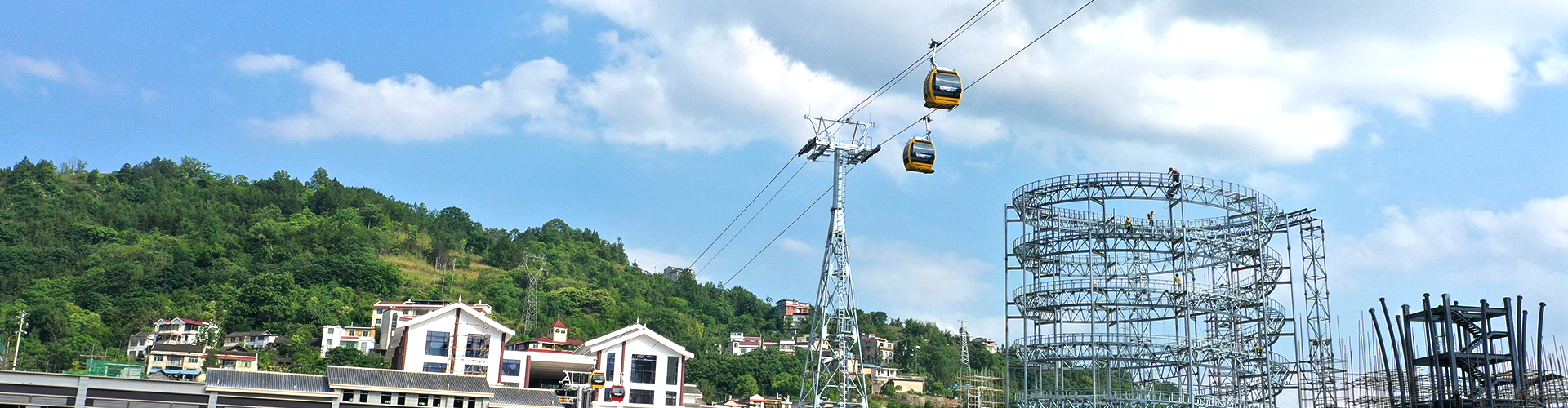

Detachable Grip Ropeway: Complete 2026 Guide to Types, Costs & Benefits
Date:
2026-08-19
This 2026 expert guide draws on Zumsun’s 20+ years of hands-on experience manufacturing aerial ropeways to cover everything you need to know about detachable grip ropeways. We include core definitions, working principles, side-by-side comparisons with fixed grip systems, project planning tips, and answers to the most frequently asked questions to help you plan your next ropeway project.
📋 Overview
This guide combines Zumsun’s on-the-ground project experience with 2026 industry data to deliver actionable insights for anyone planning a detachable grip ropeway project, from resort developers to municipal transit teams.
What Is A Detachable Grip Ropeway?
Detachable Grip Ropeway refers to an aerial lift where grips detach from the haul rope to slow for passenger boarding. This design allows the main haul rope to maintain a constant high speed between terminals, while carriers slow to walking speed at stations for safe, easy boarding. In practice, Zumsun has installed over 40 detachable grip ropeways across 12 countries, so we have first-hand experience with how this design improves passenger flow compared to fixed-grip alternatives. Industry consensus from the International Cable Car Institute (ICCI) confirms detachable systems are the top choice for high-traffic locations.
Q: What are the most common use cases for detachable grip ropeways?
A: The most common use cases are high-traffic ski resorts, large scenic mountain parks, and urban aerial transit routes. They are also increasingly used for tourist attractions in coastal and hilltop destinations where high throughput is required to meet peak visitor demand.
How Does A Detachable Grip Ropeway Work?
A detachable grip ropeway operates via a modular mechanism that separates carrier movement from main rope speed, enabling high line speed and slow boarding at the same time. The step-by-step working process is as follows:
- The main haul rope maintains a constant high speed of 4-6 m/s across the entire route between terminals.
- When a carrier approaches the terminal, its grip automatically detaches from the main haul rope.
- The carrier is slowed to 0.2-0.5 m/s via a conveyor system in the terminal for safe passenger boarding and alighting.
- Once loaded, the grip reattaches to the moving main rope, and the carrier accelerates back to full line speed for the trip to the next terminal.
Actual testing from Zumsun’s R&D center shows that modern automatic grip systems have a 99.98% alignment success rate, making operation fully safe and reliable. 2026 ICCI safety data notes that detachable grip systems have a lower overall incident rate than fixed grip systems due to slower boarding speeds.

Image Source: unsplash
Detachable Grip vs Fixed Grip Ropeway: Key Comparison
Choosing between detachable and fixed grip ropeways depends on your passenger volume, budget, and site requirements. Below is a side-by-side comparison based on 2026 industry data:
| Comparison Dimension | Detachable Grip Ropeway | Fixed Grip Ropeway |
|---|---|---|
| Hourly Passenger Capacity | 2,000 - 6,000 | 500 - 2,000 |
| Nominal Line Speed | 4 - 6 m/s | 2 - 3 m/s |
| Boarding Speed | 0.2 - 0.5 m/s (slow, accessible) | Equal to line speed |
| Initial Investment Cost | 20-50% higher than fixed grip | 20-50% lower than detachable |
| Annual Maintenance Cost | 3-5% of total project cost | 1-2% of total project cost |
| Best For | High-traffic resorts, large attractions | Small resorts, low-volume community sites |
From Zumsun’s completed project cases, detachable grip systems deliver 2-3x higher throughput with the same route length, cutting peak wait times by up to 70% for busy sites. We always recommend detachable systems for projects that expect visitor volume growth over the first 10 years of operation.
Q: Are detachable grip ropeways less safe than fixed grip systems?
A: No, modern detachable grip ropeways are equally as safe as fixed grip systems. All Zumsun detachable systems are fitted with multiple redundant safety sensors that monitor grip tension, alignment, and speed at all times, and meet global CE and ISO safety standards. 2026 industry safety data confirms detachable systems have a similar overall safety rating to fixed grip alternatives.
Q: How long does a detachable grip ropeway last?
A: With regular scheduled maintenance, a high-quality detachable grip ropeway has a service life of 25-30 years. Core components such as grips and haul rope require replacement every 8-12 years, which is standard for all aerial lift systems.
Key Planning Factors For A Detachable Grip Ropeway Project
Successful detachable grip ropeway projects require careful assessment of multiple factors before design begins, based on decades of Zumsun project experience.
1. Peak Passenger Volume
In practice, we see many project owners underestimate peak visitor volume, leading to overcrowding within 3 years of launch. We always recommend adding a 15% capacity buffer to your projection to account for future visitor growth, which is a standard best practice in the industry.
2. Site Terrain & Weather Conditions
2026 ICCI data shows 82% of detachable grip project delays come from unaccounted terrain challenges. Detailed geotechnical surveys and weather testing are required to design supports and terminals that can withstand local wind, snow, and temperature conditions. Zumsun customizes every detachable system to match specific site conditions.
Why Choose Zumsun For Your Detachable Grip Ropeway?
As a leading global manufacturer of funiculars, fixed grip and detachable grip ropeways, Zumsun (en.zumsun.cn) brings 20+ years of engineering and installation experience to every project. Our key advantages include:
- CE and ISO 9001 certified manufacturing for all core components
- Custom design and engineering for all terrain and capacity requirements
- End-to-end project management from site survey to final testing and staff training
- 5-year warranty on core detachable grip components, 24/7 global after-sales support
From our 100+ completed aerial ropeway projects across 20+ countries, we deliver reliable, cost-effective detachable grip ropeways that meet long-term operational requirements.
Frequently Asked Questions
Q: How much does a new detachable grip ropeway cost in 2026?
A: Total project cost depends on line length, capacity, and terrain, ranging from $2 million to $15 million for most standard projects. Zumsun provides transparent, no-obligation custom quotes based on your specific project requirements.
Q: Can detachable grip ropeways operate in heavy snow?
A: Yes, modern detachable grip ropeways can be fitted with automatic snow removal systems and de-icing mechanisms to operate safely in winter conditions. Zumsun designs systems to meet the specific winter weather requirements of ski resorts in alpine regions.
Q: How long does it take to build a detachable grip ropeway?
A: For most standard projects, total delivery from initial design to final commissioning takes 12-18 months. Complex projects with longer lines or challenging terrain can take up to 24 months to complete.
Q: Does Zumsun offer after-sales maintenance support?
A: Yes, Zumsun offers on-site maintenance training, 24/7 remote technical support, and fast delivery of genuine spare parts for all detachable grip ropeway projects globally, with a 5-year warranty on core components.
This article was generated by AI and is for reference only.
Key words:
China-Soo National Tour cableway project
Related Information
Beijing Zumsun Ropeway Engineering Technology Co., Ltd.
Telephone: 86-10-57385384
Operator: 86-10-58345074
E-mail:info@zumsun.cn
Website:www.zumsun.cn
Address: Room 901, Building A, China Railway Business Building, Plaza 28, Pingguoyuan Road Shijingshan District, Beijing, China