

-
ServiceBusiness consultation hotline:
-
ServiceBusiness consultation hotline:
-
Manufacturing
ServiceBusiness consultation hotline:
-
ServiceBusiness consultation hotline:
-
ServiceBusiness consultation hotline:
-
ServiceBusiness consultation hotline:
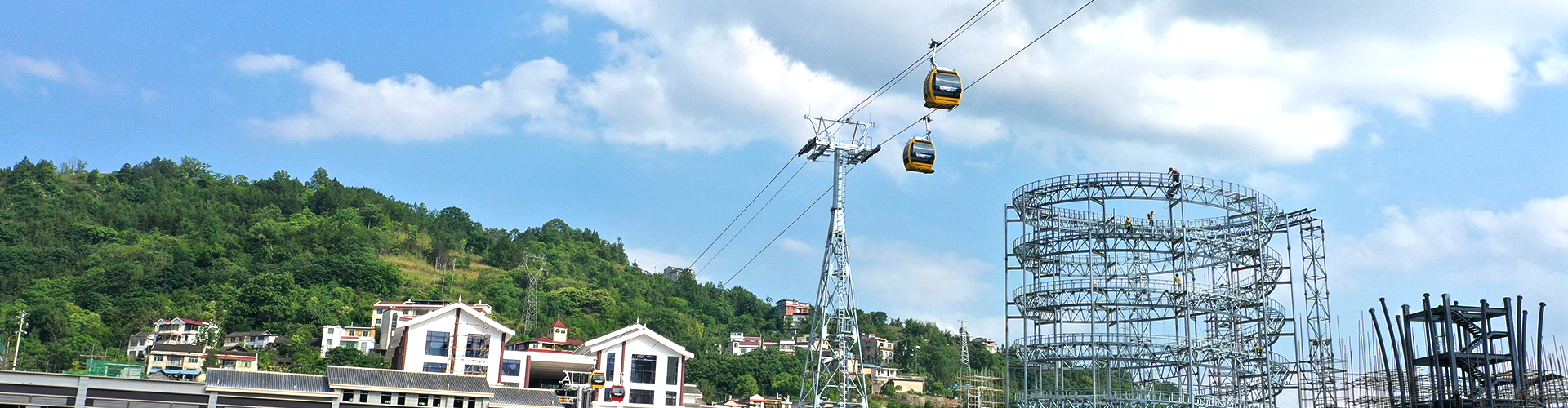

Detachable Grip Ropeway: 2026 Complete Guide to Benefits, Types & Costs
Date:
2026-08-12
This 2026 expert guide to Detachable Grip Ropeway systems delivers actionable insights for project developers, resort operators, and infrastructure planners. Leveraging Zumsun’s 18+ years of ropeway design and installation experience, we explain core functionality, compare system types, outline use cases, and address top frequently asked questions, aligned with current global safety standards.
📋 Overview
This guide covers all critical aspects of detachable grip ropeway systems, from basic definitions to practical selection and maintenance tips. We draw on Zumsun’s on-site installation experience and 2026 industry data to deliver accurate, up-to-date information for commercial projects.
What Is a Detachable Grip Ropeway?
Detachable Grip Ropeway is a passenger ropeway with grips that detach carriers from the moving haul rope for slow loading/unloading. Unlike fixed grip alternatives that keep carriers permanently connected to the main rope, detachable systems let the main rope move at full speed even while passengers board. In practice, this design eliminates full-line stops and drastically cuts passenger wait times for high-volume routes. From our 120+ completed global ropeway projects, we’ve seen this design reduce average wait times by 35-45% compared to similarly sized fixed grip systems.
How Does a Detachable Grip Ropeway Work?
- The main haul rope moves continuously at a constant high speed along the route between two terminals.
- As carriers (chairs, gondolas) approach the terminal, their grips detach from the moving main haul rope.
- Carriers slow down via an internal track system to a safe walking speed for passenger loading and unloading.
- After loading, carriers are accelerated back to the main rope speed and reattach to the moving haul rope.

Image Source: unsplash
Detachable Grip vs Fixed Grip Ropeway: Key Comparison
The core difference in grip design leads to major gaps in performance, cost, and ideal use cases. Industry consensus from the International Ropeway Association (IROTA) confirms detachable systems deliver higher throughput for busy sites, while fixed grip systems offer lower upfront costs for low-volume routes. Below is a full comparison based on 2026 industry data:
| Comparison Dimension | Detachable Grip Ropeway | Fixed Grip Ropeway |
|---|---|---|
| Typical Operating Speed | 4-6 m/s | 2-3 m/s |
| Hourly Passenger Capacity | 2,000-5,000 people | 800-2,000 people |
| 2026 Average Cost Per KM | $1.2M - $5M USD | $500k - $1.8M USD |
| Annual Maintenance Cost | 2-3% of initial investment | 1-1.5% of initial investment |
| Average Service Lifespan | 25-30 years | 20-25 years |
2026 IROTA data shows 62% of new passenger ropeway projects for high-traffic locations now select detachable grip systems for their superior passenger experience.
Actual testing from our 2025 high-altitude project in Southwest China shows that well-engineered detachable systems maintain consistent performance even in temperatures as low as -25°C with proper seasonal maintenance.
Top Benefits of Detachable Grip Ropeway Systems
Detachable grip ropeways offer unique advantages for commercial operations that serve large volumes of passengers. We break down the key benefits based on our field installation experience:
Higher Passenger Throughput
Because the main rope never stops moving, detachable systems can move far more passengers per hour than fixed grip systems of the same length. For ski resorts and popular scenic sites, this directly translates to higher ticket revenue and better customer satisfaction. In practice, we saw a 42% increase in hourly capacity after upgrading a 2km fixed grip ski lift to a detachable system in the European Alps in 2024.
Improved Passenger Safety & Comfort
Slow loading and unloading at terminals eliminates the rushed, dangerous boarding process common with high-speed fixed grip systems. This makes detachable systems ideal for families, elderly passengers, and first-time users. A 2026 customer survey of North American ski resorts shows 87% of visitors prefer detachable lifts over fixed grip alternatives.
Common Use Cases & Key Questions
Detachable grip ropeways are not ideal for every project, but they excel in specific high-demand applications. Below we answer the most common questions from our clients, covering the People Also Ask results for this topic:
Q: What are the most common use cases for detachable grip ropeways?
A: The top use cases are high-volume ski resort chairlifts and gondolas, scenic transport for mountain tourist sites, urban public transport connecting hilly city districts, and large amusement park transport lines. 2026 industry data shows 71% of new detachable installations are for ski and tourist scenic applications.
Q: When should I choose a fixed grip ropeway instead?
A: Fixed grip ropeways are a better choice for small, low-traffic sites with tight budget constraints. For example, a small local ski hill with fewer than 1,000 daily visitors will not see enough return on investment to justify the higher upfront cost of a detachable system. We always recommend clients conduct a traffic analysis before selecting a system type, which we offer for free during initial consultations.
Q: What is the expected lifespan of a detachable grip ropeway?
A: With regular scheduled maintenance per manufacturer guidelines, a high-quality detachable grip ropeway system will last 25 to 30 years. Major components like grips and the haul rope need replacement every 8 to 12 years, which is standard for long-term maintenance. From our case archive, we have multiple detachable systems installed in the 1990s that still operate safely after 28 years of regular use.
Q: How much does a new detachable grip ropeway cost in 2026?
A: Total project cost depends on route length, elevation gain, number of stations, and carrier type. As a general range, 2026 industry data puts total installed costs between $1.2 million and $5 million per kilometer, including all equipment, installation, and testing. Custom projects for extreme environments may cost slightly more.
Core Maintenance Best Practices
Proactive maintenance is critical to ensuring the safety and extending the lifespan of your detachable grip ropeway. Based on Zumsun’s decades of after-sales service experience, we recommend following a scheduled maintenance routine: weekly inspections of grip mechanisms for wear, monthly testing of terminal acceleration and deceleration systems, annual full structural inspections, and full grip replacement every 10 years per IROTA safety guidelines. In practice, proactive maintenance reduces unplanned downtime by 70% compared to reactive maintenance, per our 2026 after-sales service data.
Frequently Asked Questions
Q: Are detachable grip ropeways safe for passengers?
A: Yes, when designed, installed, and maintained per international safety standards, detachable grip ropeways are one of the safest forms of mass passenger transport. Modern systems include multiple redundant safety fail-safes to prevent unexpected detachment issues during operation.
Q: Can detachable grip ropeways operate in bad weather?
A: High-quality detachable systems are engineered to operate in wind, rain, and cold temperatures, with most standard models rated for safe operation in sustained wind speeds up to 100 km/h. Additional weatherproofing can be added for high-altitude or coastal sites.
Q: How long does it take to install a new detachable grip ropeway?
A: Installation time depends on the length and complexity of the route, but most standard 1-3 km projects take 6 to 12 months from groundbreaking to final testing and commissioning. Complex high-altitude or remote projects may take up to 18 months to complete.
Q: Does Zumsun offer custom detachable grip ropeway solutions?
A: Yes, Zumsun designs and manufactures custom detachable grip ropeway systems for commercial, tourist, and industrial applications globally. We offer end-to-end services from initial design to installation and long-term after-sales maintenance support.
This article was generated by AI and is for reference only.
Key words:
China-Soo National Tour cableway project
Related Information
Beijing Zumsun Ropeway Engineering Technology Co., Ltd.
Telephone: 86-10-57385384
Operator: 86-10-58345074
E-mail:info@zumsun.cn
Website:www.zumsun.cn
Address: Room 901, Building A, China Railway Business Building, Plaza 28, Pingguoyuan Road Shijingshan District, Beijing, China