

-
ServiceBusiness consultation hotline:
-
ServiceBusiness consultation hotline:
-
Manufacturing
ServiceBusiness consultation hotline:
-
ServiceBusiness consultation hotline:
-
ServiceBusiness consultation hotline:
-
ServiceBusiness consultation hotline:
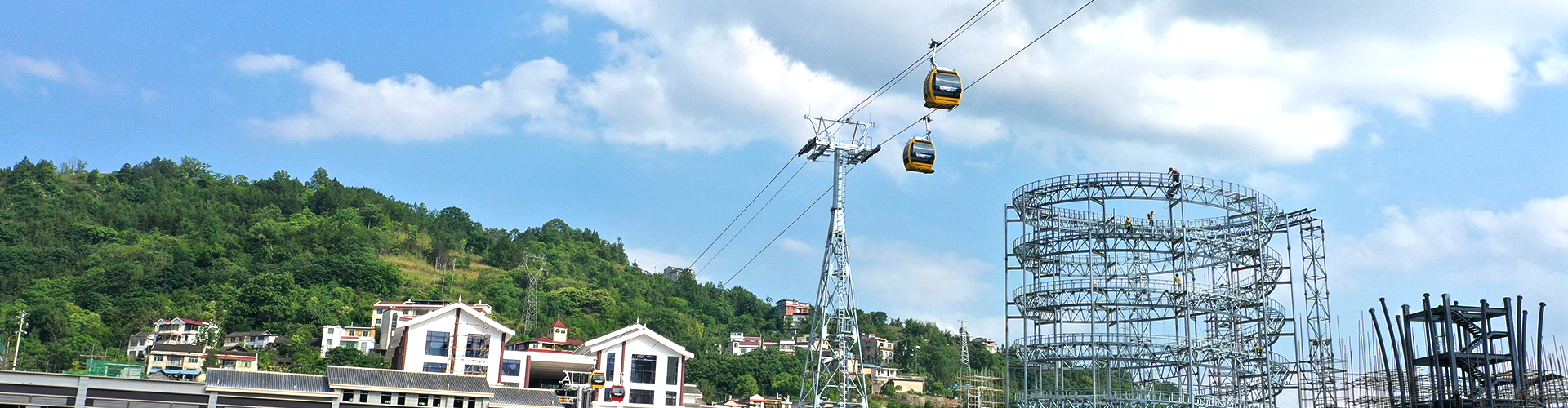

Analysis of the Working Principle of Reciprocating Passenger Cableways in Tourist Attractions
Date:
2025-10-30
Explore the working principles of reciprocating tourist cableways and discover how they provide visitors with a convenient travel experience.
Introduction: The Joy of High Altitude
In modern tourism, reversible cable cars in scenic areas have become an indispensable part of picturesque attractions. Not only do they enhance the travel experience for visitors, but they also build "sky bridges" connecting mountains and canyons. Now, let’s dive deeper together into how these reversible cable cars in tourist destinations work!
I. The Basic Structure of Cableways
The basic structure of a reciprocating tourist attraction cableway includes the cable, cabins, supports, and power system. Each component plays a crucial role. First, the cable serves as the "line" connecting the two stations; its quality and strength directly determine the safety of the cableway. Meanwhile, the cabins are the vehicles passengers ride in—typically designed to accommodate multiple passengers—and must balance both aesthetic appeal and passenger comfort.
II. Working Principle: How It Functions
So, how does a reciprocating tourist ropeway system work? Simply put, its operating principle is like a back-and-forth "chain."
First, the power system is responsible for driving the cable car's operation. The electric motor uses a gear system to keep the cable continuously in motion. Tourists board the gondolas at the station on one end, and the gondolas are pulled upward along the cableway. Once the gondola reaches the summit, the cableway automatically returns it back down, creating a seamless loop. This back-and-forth movement allows visitors to effortlessly travel between the mountain peaks and valleys, taking in the breathtaking scenery along the way.
3. Safety: Ensuring Passengers' Confidence
Of course, safety is the top priority in the design and operation of reciprocating tourist cableways. To ensure passenger safety, every component of the cableway must undergo rigorous inspection and maintenance. For instance, the strength of the cable ropes needs to be regularly tested to prevent potential hazards caused by aging. Additionally, the facilities inside the cabins should also be inspected periodically, guaranteeing a comfortable and worry-free riding experience for passengers.
IV. Future Outlook: The Fusion of Technology and Beauty
As technology continues to advance, future reciprocating tourist cableways in scenic areas will become even more intelligent. For instance, they will incorporate cutting-edge materials and advanced automatic control systems to enhance operational efficiency and safety. At the same time, designers will place greater emphasis on the aesthetic appeal of the cableways, ensuring they seamlessly blend into the surrounding natural landscape and become a stunning visual highlight.
Conclusion: Embark on a High-Altitude Journey
In short, the reciprocating tourist cableway is not just a mode of transportation—it's a vital bridge connecting nature with humanity. Whether it’s the thrilling high-altitude experience or the serene, elegant beauty of natural landscapes, none of this would be possible without its tireless efforts. Next time you spot these "sky corridors" during your travels, don’t forget to reflect on how they work—and give a silent nod of appreciation to the dedicated engineers who make it all happen!
Key words:
China-Soo National Tour cableway project
Related Information
Beijing Zumsun Ropeway Engineering Technology Co., Ltd.
Telephone: 86-10-57385384
Operator: 86-10-58345074
E-mail:info@zumsun.cn
Website:www.zumsun.cn
Address: Room 901, Building A, China Railway Business Building, Plaza 28, Pingguoyuan Road Shijingshan District, Beijing, China