

-
ServiceBusiness consultation hotline:
-
ServiceBusiness consultation hotline:
-
Manufacturing
ServiceBusiness consultation hotline:
-
ServiceBusiness consultation hotline:
-
ServiceBusiness consultation hotline:
-
ServiceBusiness consultation hotline:
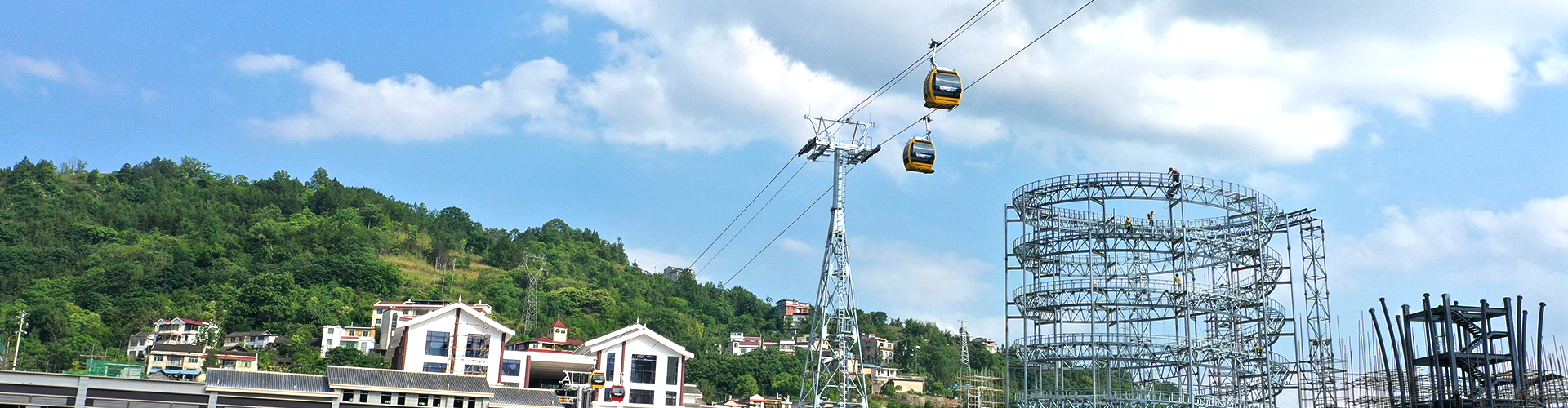

Unveiling Industry Trends and Future Directions of Reciprocating Passenger Cableways in Tourist Attractions
Date:
2025-09-26
This article provides an in-depth analysis of industry trends in reciprocating passenger cableways for tourist attractions, while also offering a glimpse into future development prospects—making it a must-read for tourism professionals and enthusiasts alike.
Introduction: The Allure of Reciprocating Tourist Cableways
In this era of constant change, the tourism industry is also evolving continuously. When it comes to travel, the reciprocating passenger cableway in scenic tourist areas is definitely a highlight that cannot be overlooked! Not only does it offer visitors a convenient mode of transportation, but it also enhances the overall experience of the景区. Let’s uncover together the dynamics of this industry and explore its future trends!
Industry Status: Rapid Growth Momentum
In recent years, with the booming growth of tourism, the construction of reversible cable cars for scenic tourist areas has been in full swing. Major popular attractions have eagerly adopted cable car systems, especially in areas with challenging terrains such as mountains and canyons, where the advantages of cableways become even more pronounced.
For example, in certain regions, tourists traveling on the reversible tourist cable cars through mountainous areas and scenic spots can not only enjoy breathtaking natural scenery but also avoid the exhaustion of hiking—truly killing two birds with one stone!
Technological Innovation: Enhancing Safety and Efficiency
In today’s rapidly advancing technological landscape, reciprocating tourist cableways in scenic areas are also continuously innovating. Modern cableway systems now incorporate cutting-edge materials and intelligent technologies—such as automated monitoring systems and GPS navigation—significantly enhancing both safety and operational efficiency.
Moreover, many cable cars have begun incorporating eco-friendly principles, utilizing renewable energy sources to minimize their environmental impact—a practice that has earned them a strong reputation among tourists.
Market Potential: The Future Looks Promising
As people’s living standards improve, tourism consumption is gradually becoming a lifestyle choice. As a key component of the travel experience, the market potential for reciprocating passenger cableways in tourist attractions should not be underestimated. According to relevant data, the cableway market is expected to achieve an average annual growth rate of over 10% in the coming years!
Major tourism companies are also increasingly optimistic about this sector, ramping up their investments and positioning themselves for the future. It’s foreseeable that in the coming years, more cableway systems will be put into operation at scenic spots, delivering even higher-quality services.
Industry Challenges: How to Respond
Of course, every industry has its challenges. Reciprocating tourist attraction cableways also face several issues during their development, such as high construction and maintenance costs, as well as potential environmental protection pressures in certain regions.
In response, companies within the industry need to actively seek solutions—such as reducing costs through technological innovation, or collaborating with local governments to strike a balance between environmental protection and economic development.
Conclusion: Looking Ahead
Overall, the industry trends in reciprocating tourist cableways are exciting, with promising prospects for future development. Whether it’s enhancing the travel experience for visitors or driving technological innovation within the industry, both aspects continue to propel this sector forward.
We look forward to seeing more breathtaking landscapes soon, connected to us via reversible tourist cableways in scenic attractions—bringing a more convenient and comfortable travel experience!
Key words:
China-Soo National Tour cableway project
Related Information
Beijing Zumsun Ropeway Engineering Technology Co., Ltd.
Telephone: 86-10-57385384
Operator: 86-10-58345074
E-mail:info@zumsun.cn
Website:www.zumsun.cn
Address: Room 901, Building A, China Railway Business Building, Plaza 28, Pingguoyuan Road Shijingshan District, Beijing, China