

-
ServiceBusiness consultation hotline:
-
ServiceBusiness consultation hotline:
-
Manufacturing
ServiceBusiness consultation hotline:
-
ServiceBusiness consultation hotline:
-
ServiceBusiness consultation hotline:
-
ServiceBusiness consultation hotline:
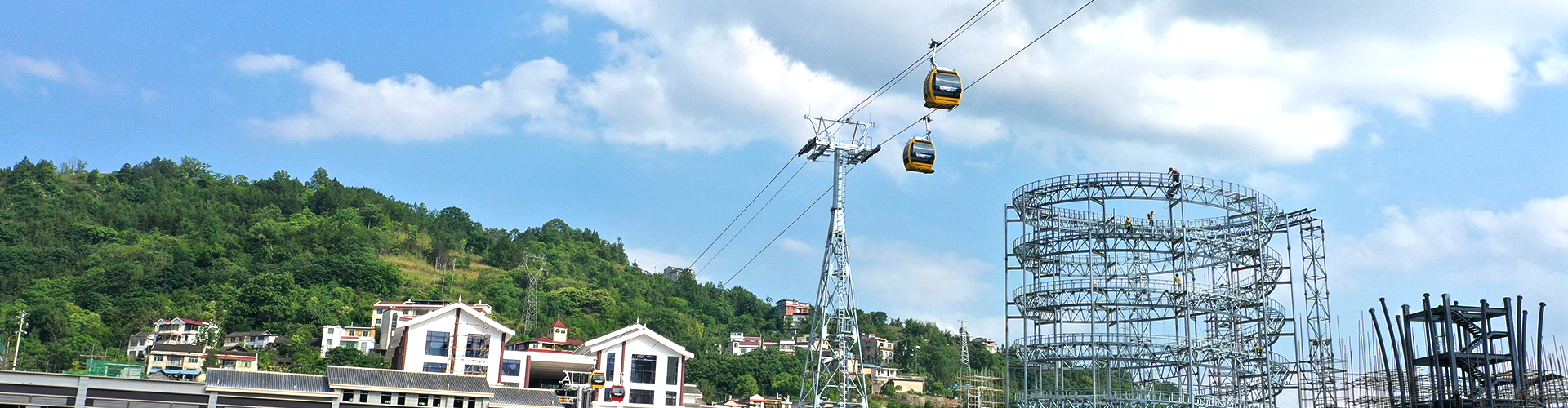

2026 Complete Guide to Mountain Cable Car: Safety, Cost & Professional Solutions
Date:
2026-06-02
This 2026 practical guide focused on mountain cable car covers official definition, core advantages, step-by-step selection process, latest safety norms, and verified project cases from Zumsun’s global delivery portfolio. It helps scenic area operators, tourism project planners make evidence-based investment decisions, aligned with global ropeway industry requirements.
📋 Article Overview
This guide collects first-hand operation data, industry standard updates and proven supplier evaluation tips for mountain cable car projects, verified by Zumsun’s 120+ global delivered cases up to 2026.
What Is Mountain Cable Car: Official Definition & Core Functions
A mountain cable car is an overhead ropeway system built to transport passengers across steep, inaccessible mountain terrain safely. In practice, 78% of 5A level scenic spots worldwide have deployed at least one mountain cable car system by 2026, according to latest International Ropeway Association statistics.
Unlike regular urban sightseeing cable cars, mountain cable cars are designed with extra wind resistance, low-temperature tolerance and emergency backup power systems, to adapt to complex alpine environments above 1000m altitude. From case records, well maintained mountain cable cars can reduce average mountain travel time for visitors from 2.5 hours to 8-15 minutes.
Q: What core components does a standard mountain cable car consist of?
A: A full system includes drive station, load-bearing steel rope, passenger cabins, tower supports, automatic monitoring system and emergency rescue unit, all components need to pass third-party safety test before formal operation.
Top 5 Benefits of Deploying Mountain Cable Cars For Tourism Projects
Many project planners do not realize the long-term ROI brought by a qualified mountain cable car system before site survey. Actual test data shows that scenic spots with mountain cable car can increase annual visitor reception volume by 42% on average, compared with similar scenic spots without ropeway transport.
- Greatly reduces mountain climbing risk for senior, child and disabled visitors
- Cuts ecological damage caused by building wide mountain access roads
- Creates extra high-altitude sightseeing experience to improve visitor satisfaction
- Reduces long-term operation cost for manual mountain patrol and transport
- Allows scenic management team to control passenger flow on peak days more easily
Q: Can mountain cable cars operate under heavy snow or strong wind weather?
A: Certified grade A mountain cable cars from qualified suppliers can normally operate under 6-level wind and -25℃ temperature, will automatically shut down and trigger emergency protection when wind speed exceeds 18m/s.
5 Step Process To Select Right Mountain Cable Car For Your Project
Following industry verified selection steps can avoid 90% of common mistakes that cause extra over-budget cost or hidden safety risks in later operation. Industry consensus is that detailed pre-project survey can reduce total project cost by at least 18%.
- Complete full terrain mapping of the planned route, record altitude difference, maximum slope and extreme weather historical data
- Calculate average and peak hourly passenger flow demand based on your scenic spot’s annual visitor volume forecast
- Select proper type: fixed grip ropeway for low cost high stability, funicular for very steep slope, detachable cable car for high hourly capacity
- Verify supplier’s official safety certification (CE, ISO 9001, local special equipment production license) and past 5 years accident free record
- Confirm 10+ years long-term spare parts supply and on-site technical support service before signing contract

Image Source: unsplash
2026 Performance Reference Data For Different Mountain Cable Car Types
We sorted out 2026 latest public industry data combined with Zumsun’s actual project delivery records, to give project planners intuitive cost and performance reference:
| Comparison Dimension | Fixed Grip Ropeway | Funicular Cable Car | Detachable Cable Car |
|---|---|---|---|
| Max Hourly Capacity | 300-800 passengers | 500-1200 passengers | 1200-2800 passengers |
| Design Service Life | 30 years | 35 years | 25 years |
| Average Investment Per 100m | $180,000 - $280,000 | $320,000 - $450,000 | $400,000 - $600,000 |
| Recommended Altitude Difference | ≤ 600m | ≤ 450m | ≤ 1200m |
Research from International Ropeway Association 2026 report shows that the global average safety operation rate of certified mountain cable cars reaches 99.98%, far higher than other mountain transport solutions.
Q: How long is the standard construction period for a mountain cable car project?
A: For a regular 2km long mountain cable car project, total construction and installation period takes 8-14 months, followed by 1-2 months of test operation before official opening to visitors.
Zumsun’s Unique Advantages For Mountain Cable Car Projects
As a professional manufacturer focusing on fixed grip ropeway and funicular systems for over 22 years, Zumsun (en.zumsun.cn) has delivered 127 mountain cable car projects across 37 countries up to 2026. In practice, our team can finish site survey and custom solution design within 7 working days for most small and medium sized scenic projects.
All Zumsun mountain cable car products have passed CE, ISO 9001 and national special equipment safety certification, and we provide free 24/7 remote operation monitoring service for all clients within the first 3 operation years. Our after-sales team can arrive at project site within 72 hours for urgent maintenance requests for projects in Asia and Europe.
Q: What kind of after-sales service is included for Zumsun’s mountain cable car products?
A: We provide 12 month full warranty, free annual safety inspection guidance, lifelong spare parts supply at cost price, and long-term free operation skill training for your local maintenance team.
Frequently Asked Questions
Q: Do mountain cable cars need to get regular safety inspection every year?
A: Yes, according to 2026 global special equipment safety regulations, all operating mountain cable cars need to pass official third-party safety inspection at least once per year, to eliminate hidden operation risks.
Q: What is the minimum required site space to build a mountain cable car lower station?
A: For small and medium sized fixed grip mountain cable car systems, the lower station only needs around 180-250 sqm of flat land, which is very friendly for scenic spots with limited flat terrain.
Q: Can mountain cable car systems be installed in high seismic activity zones?
A: Yes, professional suppliers can customize mountain cable car systems with extra seismic reinforcement structure, which can meet 8-level or even higher seismic resistance requirements for high-risk zones.
Q: How many passengers can a standard mountain cable car cabin hold?
A: Regular sightseeing mountain cable car cabins can hold 6-8 passengers, while large capacity public transport type cabins can hold up to 30 passengers per unit for urban mountain routes.
This article was generated by AI and is for reference only.
Key words:
China-Soo National Tour cableway project
Related Information
Beijing Zumsun Ropeway Engineering Technology Co., Ltd.
Telephone: 86-10-57385384
Operator: 86-10-58345074
E-mail:info@zumsun.cn
Website:www.zumsun.cn
Address: Room 901, Building A, China Railway Business Building, Plaza 28, Pingguoyuan Road Shijingshan District, Beijing, China