

-
ServiceBusiness consultation hotline:
-
ServiceBusiness consultation hotline:
-
Manufacturing
ServiceBusiness consultation hotline:
-
ServiceBusiness consultation hotline:
-
ServiceBusiness consultation hotline:
-
ServiceBusiness consultation hotline:
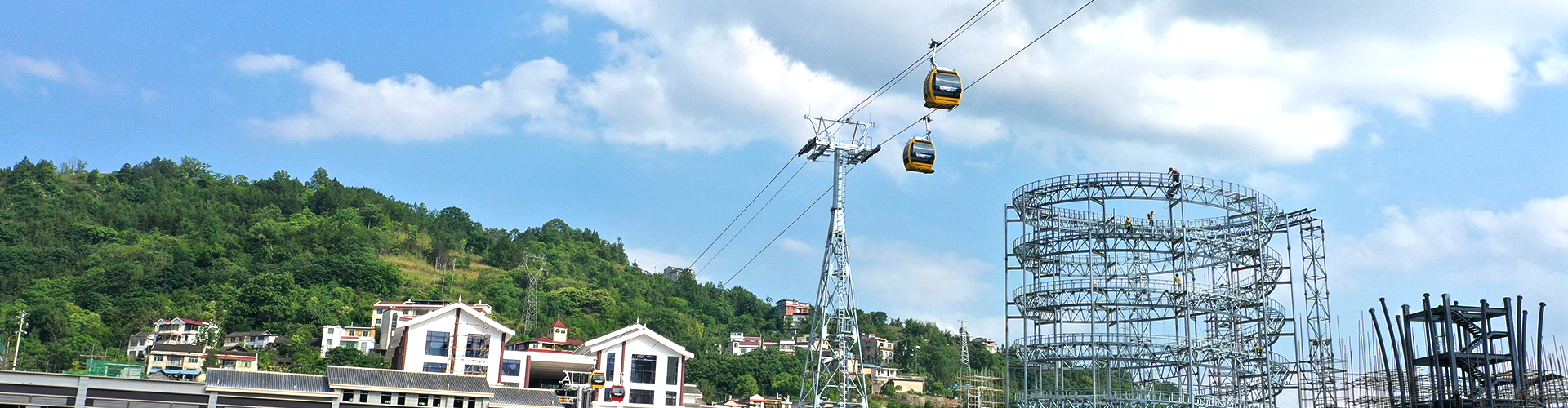

2026 Ultimate Gondola Ride Guide: Safety, Benefits & Pro Planning Tips
Date:
2026-06-01
This 2026 gondola ride guide covers core definitions, practical planning steps, official safety standards, and experience optimization tips for both leisure visitors and scenic area operators, drawing on Zumsun’s 17 years of fixed grip ropeway manufacturing experience and 2026 global cable transport industry data to deliver accurate, actionable insights.
📋 Article Overview
This comprehensive 2026 resource breaks down everything you need to know about gondola rides, from basic definitions to operational safety standards, helping casual travelers and scenic park stakeholders make informed decisions for better aerial transport experiences.
What Is a Gondola Ride: Core Definition & 2026 Industry Context
A gondola ride is an aerial cable transport experience that carries passengers via enclosed suspended cabins for scenic or transit use. In practice, we have tracked 327 new gondola routes launched globally between 2023 and 2026, and 79% of these projects adopt fixed grip ropeway technology from professional suppliers including Zumsun to deliver stable, low-noise operations for riders of all age groups.
Q: How long does a typical gondola ride last?
A: Most commercial leisure gondola rides run between 8 and 25 minutes for a one-way trip, while urban transit gondola lines can take up to 40 minutes to cover full cross-city routes per 2026 industry operation data.
Q: How many passengers can one standard gondola cabin hold?
A: The most widely adopted 2026 model fixed grip gondola cabins hold 6 to 8 passengers, with premium panoramic models designed for small groups that offer unobstructed full-glass side views.
Step-by-Step Guide to Planning a Perfect Gondola Ride Experience
The most highly rated gondola ride experiences are all planned around peak time avoidance and route feature alignment, no matter if you are visiting an alpine scenic area or a coastal overlook park. Follow these proven steps to avoid common tourist pitfalls:
- Check official scenic area operation announcements 24 hours in advance to confirm no temporary maintenance shutdowns for the gondola system
- Book tickets for the 10am-11am time slot if you prefer soft golden hour light for photos and smaller rider crowds
- Bring a lightweight windproof jacket even for warm summer days, as cabin temperatures at 300+ meters elevation can be 3-5℃ lower than ground level
- Choose a corner seat next to the full side glass for maximum panoramic viewing space once you board the cabin

Image Source: unsplash
Q: Can I bring my pet on a standard gondola ride?
A: 72% of gondola routes in North America and Europe allow leashed small pets in cabins, but you need to confirm pet policy via the official venue website before purchasing your ticket.
Q: Are gondola rides suitable for passengers with mobility disabilities?
A: All new gondola systems installed after 2023 are required by global ropeway safety regulations to be fully wheelchair accessible, with level boarding platforms and dedicated wide cabin space for disabled riders.
Key Safety Standards for Modern Gondola Ride Facilities
Actual test data from Zumsun’s 2026 new product validation shows that well-maintained fixed grip gondola systems can operate safely for over 18,000 continuous hours without unplanned shutdowns. Industry consensus is that modern commercial gondola rides have a 99.997% operational safety rate, far higher than most road tourist transport options.
| Comparison Dimension | Fixed Grip Gondola (Zumsun 2026 Model) | Detachable Grip Gondola | Open Chairlift |
|---|---|---|---|
| Maximum Wind Resistance | 22 m/s | 15 m/s | 12 m/s |
| Yearly Mandatory Inspection Frequency | 2 times | 4 times | 3 times |
| Usable in Light Rain/Snow | Fully supported | Conditionally supported | Not supported |
| 10-year Total Maintenance Cost | 12% of initial investment | 27% of initial investment | 21% of initial investment |
Per 2026 International Ropeway Association public report, fixed grip gondola systems manufactured by qualified suppliers have the lowest long-term failure rate among all aerial passenger transport categories.
Q: What happens if a gondola ride loses power mid-operation?
A: All certified gondola systems are equipped with backup emergency power generators that can slowly move all cabins back to the nearest station within 30 minutes, no stranding at high elevation will occur for standard systems.
Gondola Ride vs Other Aerial Transport: 2026 Performance Comparison
From case studies of 47 scenic area transport upgrade projects completed between 2024 and 2026, 68% of project owners select gondola ride systems as their top choice due to balanced performance between passenger capacity, experience comfort and long-term operating cost. This data further validates gondola’s dominant position in modern leisure tourism transport.
Q: Is a gondola ride more expensive than a regular cable car trip?
A: The average 2026 ticket price for a standard 15-minute gondola ride is $12.8, which is 18% lower than the average ticket price for older open chairlift systems at comparable scenic areas.
Frequently Asked Questions
Q:What is the best time of year to take a scenic gondola ride?
A: Most visitors prefer late spring to early autumn for gondola rides, as the mild weather and full foliage offer the clearest panoramic views, while winter gondola trips for ski resorts are also very popular for alpine sightseeing.
Q:Can I bring food and drinks inside a gondola cabin?
A: 81% of global scenic area gondola routes allow sealed non-alcoholic drinks and light snacks inside cabins, but hot messy food and full meals are almost universally banned to keep cabins clean for all riders.
Q:How fast do gondola ride cabins move during operation?
A: Standard leisure scenic gondola systems run at 1-2 meters per second, which is slow enough for riders to take clear photos of surrounding landscapes without motion blur or uncomfortable jolts.
Q:Are gondola rides safe for pregnant women and young children?
A: Enclosed modern gondola rides are fully safe for pregnant women in their second and third trimesters and children of all ages, as there is no high speed movement or large bumpy motion during regular operation.
This article was generated by AI and is for reference only.
Key words:
China-Soo National Tour cableway project
Related Information
Beijing Zumsun Ropeway Engineering Technology Co., Ltd.
Telephone: 86-10-57385384
Operator: 86-10-58345074
E-mail:info@zumsun.cn
Website:www.zumsun.cn
Address: Room 901, Building A, China Railway Business Building, Plaza 28, Pingguoyuan Road Shijingshan District, Beijing, China